What Is a Mortise Lock and Why It Differs from a Standard Knob or Deadbolt
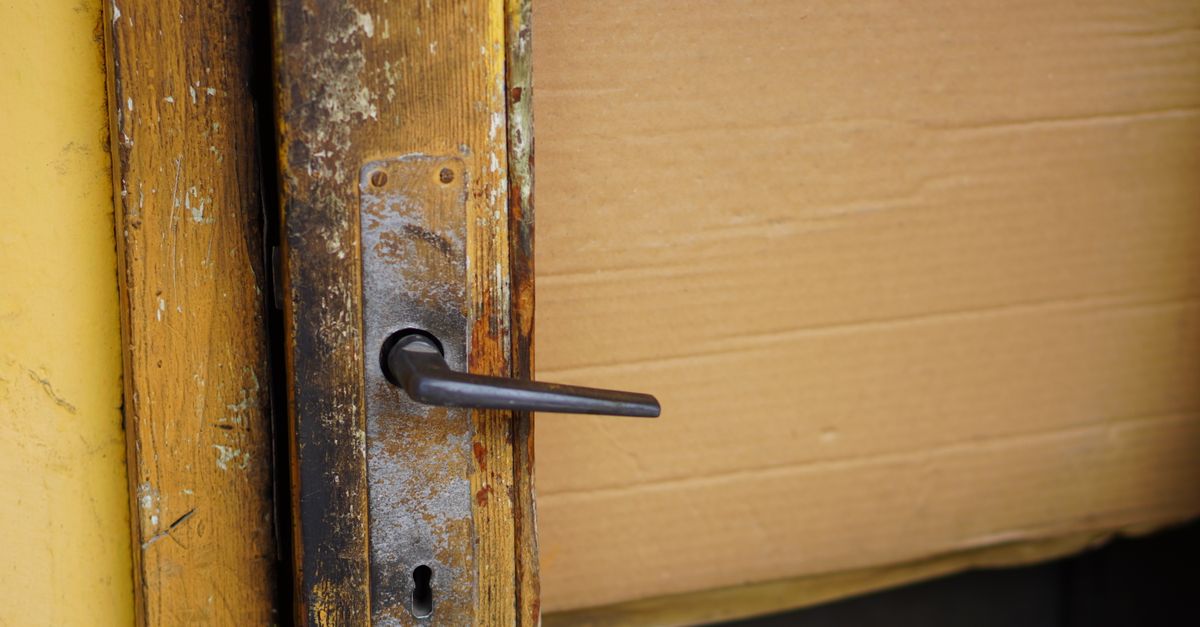
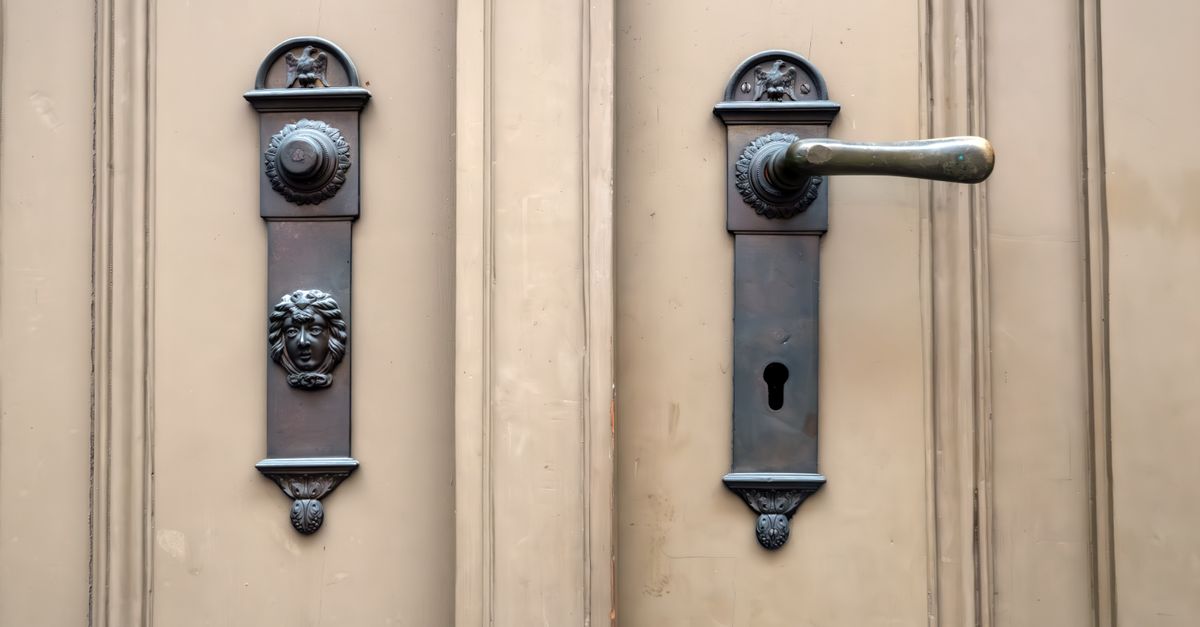
A mortise lock is a complete locking mechanism housed inside a rectangular metal cassette — called the lock body — that slides into a deep pocket, or mortise, cut into the door's edge. Unlike a cylindrical door knob lock or a bored deadbolt that relies on a single hole through the door face, a mortise set occupies a long, narrow cavity that runs parallel to the door edge. This means the hardware is fully embedded and flush, which gives the door a cleaner profile and, more importantly, far more resistance to kick-in and pry attacks because there is no protruding cylinder housing to shear off. The face plate, rose plates, lever handles, and escutcheons are all trim pieces that attach to the body — so a full mortise lock set exterior door installation involves coordinating the body depth, spindle length, backset, and trim profile to match your specific door thickness and stile width.
Mortise lock sets come in a wide range of grades and form factors. High-security brands such as Baldwin mortise lock sets are popular in Alpharetta's custom-home market for their solid brass construction and heirloom-quality trim. Corbin Russwin mortise lock hardware, while more common in commercial corridors, occasionally appears in older residential buildings and mixed-use properties along GA-400. Some homeowners in newer smart-home-equipped builds are now requesting a smart mortise lock option — motorized or Wi-Fi-enabled versions that retain the same door-pocket form factor while adding keypad, app, or Z-wave control. And in homes with pocket or barn-style patio openings, a sliding door mortise lock — which uses a hook bolt rather than a standard latch — addresses the unique geometry of that door type. Understanding which variant you have is the first thing our technicians determine on arrival, before any tools come out.